 CADIG Hockey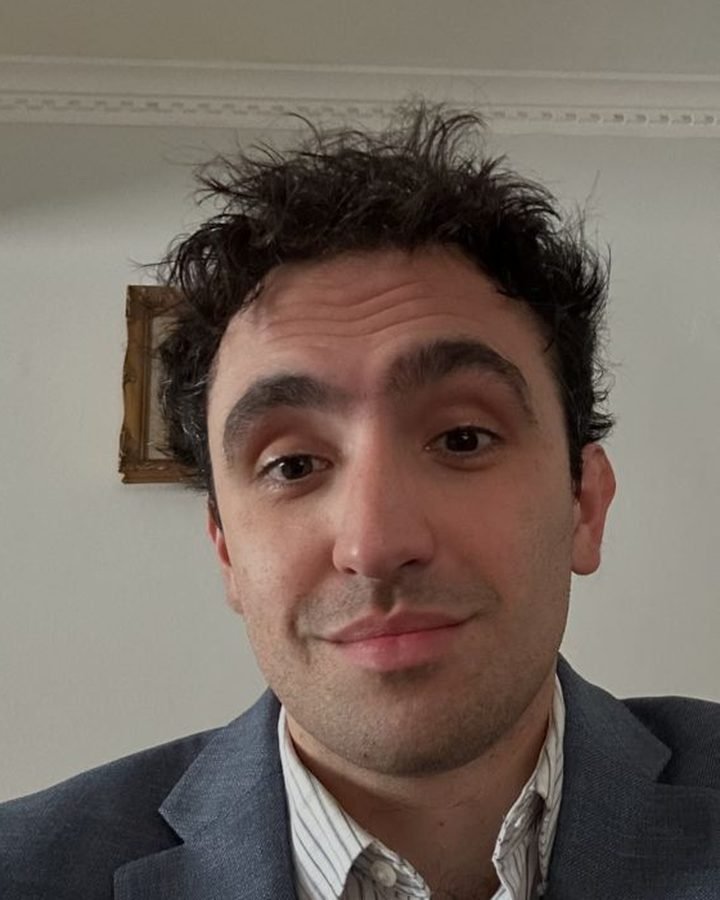
Justin Ioanitescu
Co-founder · Analytics, league intelligence, scouting systems
Justin builds the analytical side of CADIG around its traditional scouting.
His work connects player evaluation with league intelligence, development pathways, career outcomes, market research and structured data, so the scouts have another layer of evidence to work with.
The aim is to help decide where to look and which players deserve a closer look, before reputation catches up with ability.
Background
Graduate education in sports management and hands-on work in sports operations, analytics, scouting research and business intelligence, using SQL, Python, Power BI, Tableau and R.
How he works
Justin breaks hockey questions into measurable parts (player, league, pathway, market and outcome) and uses scouting context and data together to find patterns.
Selected work
The SIJHL career-outcomes study and the NHL representation landscape.
View the SIJHL studyQuestions his research asks
- Which leagues, clubs and regions keep producing players who beat expectations?
- Which scouting and statistical traits show up before a big step forward?
- Who is performing unusually well once age, league, role and opportunity are accounted for?
- Which prospects resemble successful players at the same age and stage?
- Where does our evaluation disagree with the market, and does history support another look?
- Which development pathways produce professional players while getting little attention?
Find more players. Find them earlier.
Hockey history is full of great players who weren't obvious stars early on. The research doesn't claim to find the next one by formula. It flags unusual development signals, overlooked leagues and regions, and players whose profile deserves a scout's second look.
Scouting experience
Live viewings, video, player traits and projection stay the foundation.
Data and analytics
Production, age curves, role, usage and historical comparables.
League intelligence
Competition strength, pathways, advancement rates and geography.
Historical outcomes
What happened next to players with a similar age, position, league and profile.
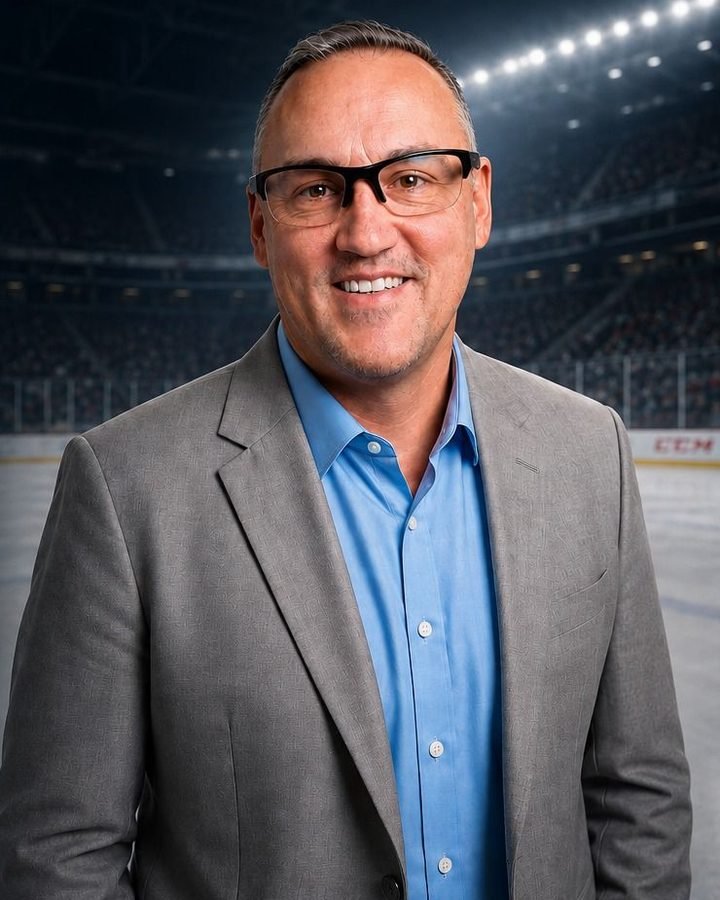 Serge GervaisCo-founder. Forty years as a player, coach, league administrator and scout.
 Kevin DavisonCo-founder. Former minor hockey player and coach. Skating, hockey sense, compete.
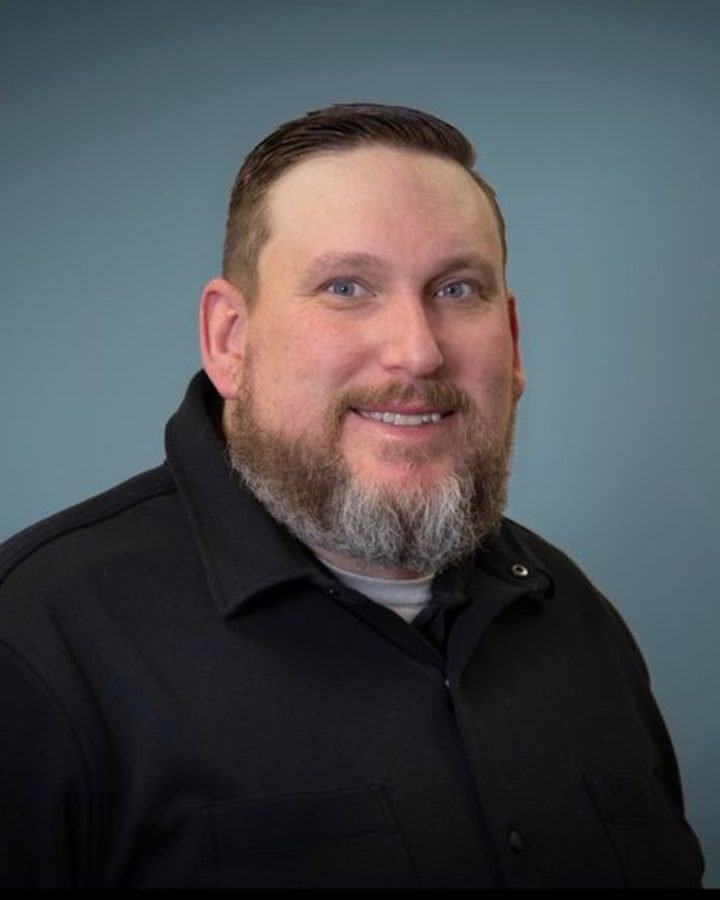 Michael CanfieldCo-founder. Buffalo and Western New York: youth, AAA, junior and college.
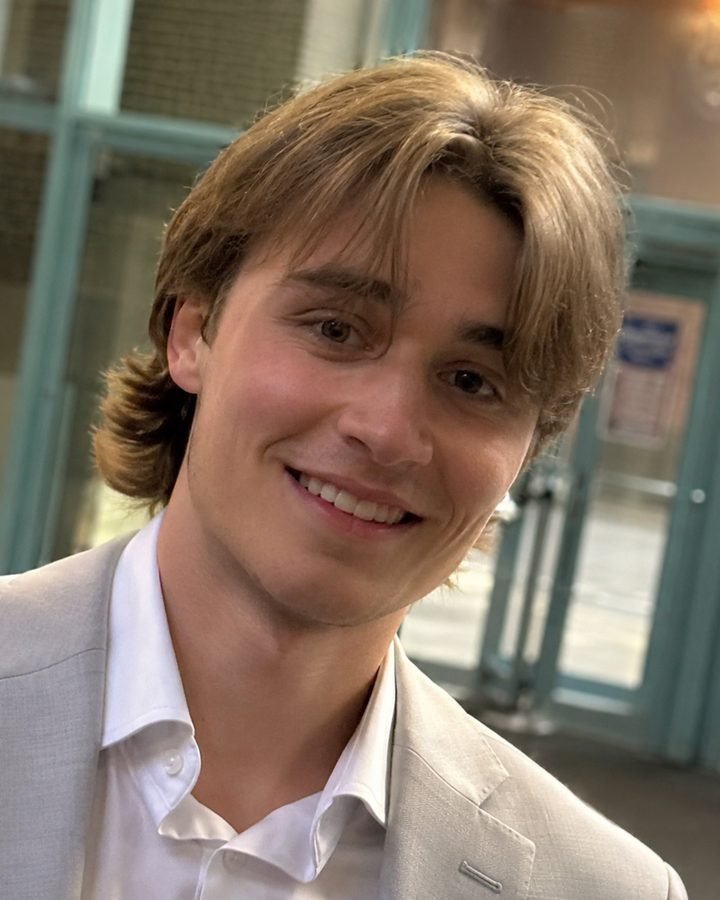 Nolan AmbrosinoCo-founder. Youth hockey, emerging prospects and long-term development.